Introduction
An abstract is a brief summary of a larger document, such as a research paper, project, report, or academic article. It gives readers a quick understanding of the topic, purpose, approach, and main findings without requiring them to read the entire document.
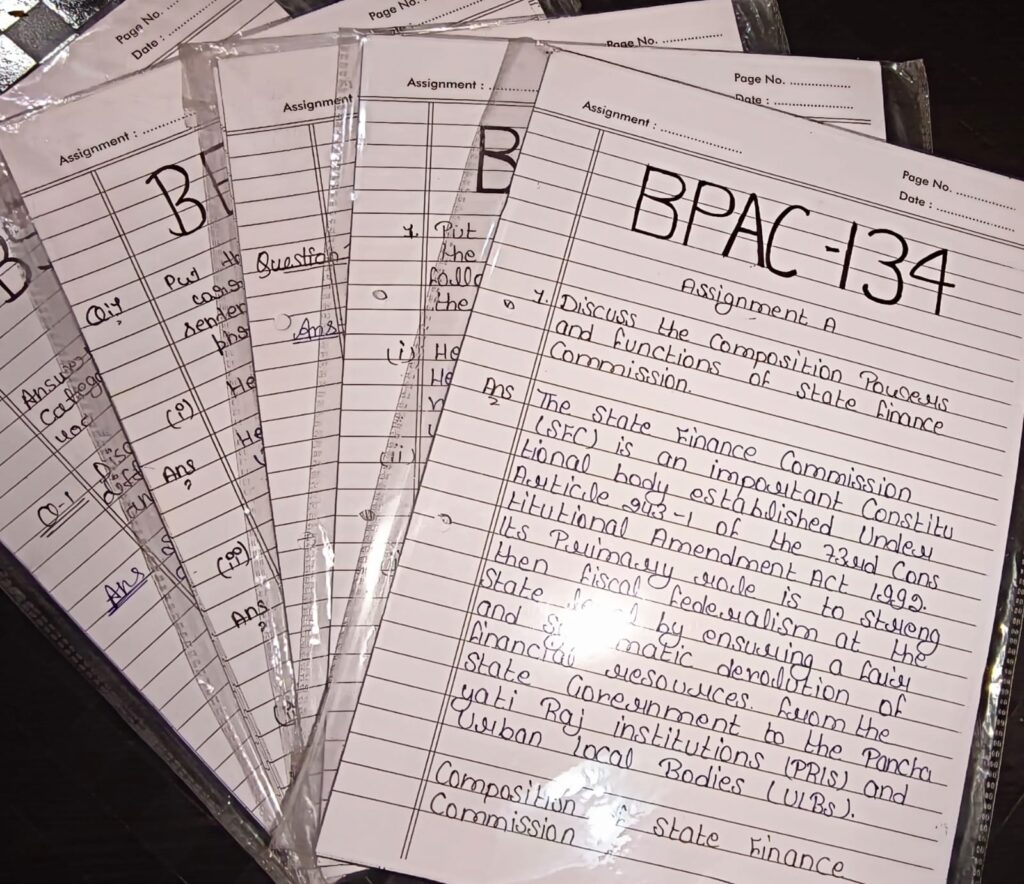
Main Elements of an Abstract
A clear abstract generally includes:
- Topic: What the document is about.
- Purpose: The main objective of the work.
- Approach: How the topic or study was explored.
- Key Findings: The main results or observations.
- Conclusion: The overall outcome or significance.
How to Prepare an Abstract
An abstract should be short, clear, and focused. It should present only the most important information from the complete document.
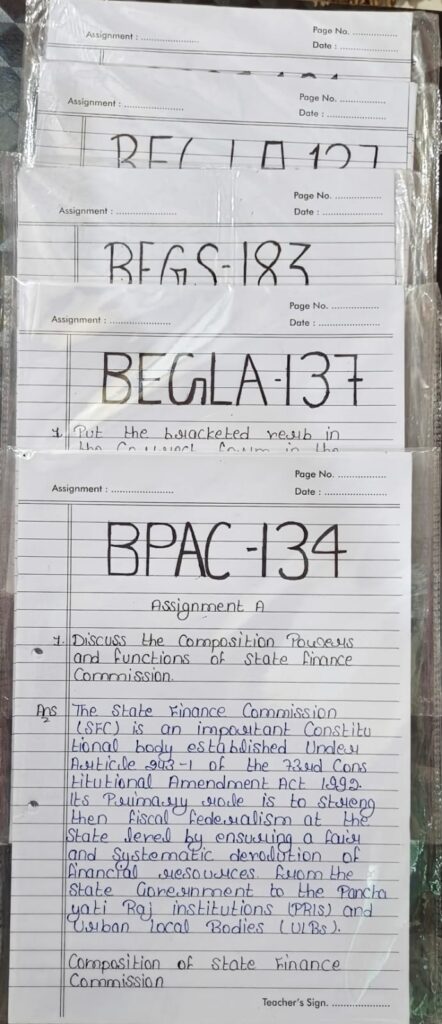
When preparing an abstract, avoid unnecessary background details and lengthy explanations. Use clear language and maintain a logical flow from the purpose to the conclusion.
Useful Tips
- Write the abstract after understanding the complete document.
- Keep the content concise and relevant.
- Mention the main purpose clearly.
- Highlight only the most important findings.
- Follow the word limit or format specified for the document.
Conclusion
A well-prepared abstract provides readers with a quick overview of a document. By keeping it concise, informative, and logically organized, an abstract can effectively communicate the central idea and significance of the work.
Disclaimer
Disclaimer: This blog is intended for general educational and informational purposes. Abstract requirements, structure, and word limits may vary according to the institution, subject, or document type. Where specific guidelines are provided, those official requirements should be followed.